The Case for Maintaining a Risk Register in Your Business

Posted on 07 October 2025 06:12
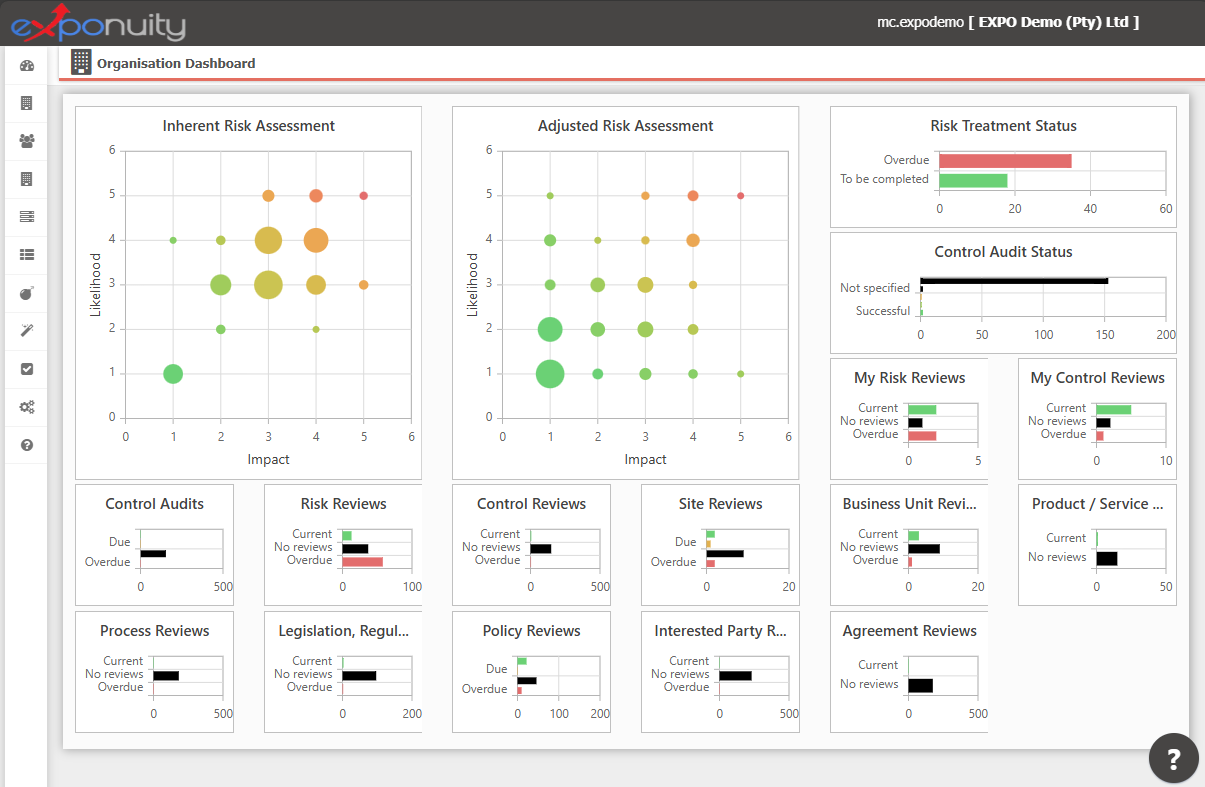 In today’s complex and uncertain operating environment, maintaining a risk register is an essential part of effective risk management and good corporate governance. A risk register is a structured document or database that records identified risks, their potential impacts, likelihood, mitigation measures, and responsible parties. It provides a central mechanism for tracking and managing risks across the organisation, ensuring that no significant threats go unnoticed or unmanaged.
Purpose of a Risk Register
The main purpose of a risk register is to establish a systematic process for identifying, assessing, and mitigating risks. Risks may arise from various domains — operational, financial, compliance, technological, or strategic. By capturing these risks in a single register, management can monitor their evolution and ensure timely mitigation.
A risk register also supports corporate accountability by documenting actions taken to manage risk. In the event of an audit, inspection, or incident, the register provides evidence that the organisation has acted with due care and diligence, consistent with governance frameworks such as the King IV Report on Corporate Governance (2016).
Benefits of Maintaining a Risk Register
Informed Decision-Making
A risk register provides management with a comprehensive overview of potential threats and opportunities. By quantifying and prioritising risks, leaders can make data-driven decisions about resource allocation and strategic planning (Institute of Risk Management, 2023).
Compliance and Legal Protection
In South Africa, the Companies Act 71 of 2008 requires directors to exercise reasonable care, skill, and diligence — which includes the identification and management of material risks. The King IV Report further mandates integrated risk management as part of sound governance (IoDSA, 2016). Sector-specific laws such as the Protection of Personal Information Act (POPIA), Occupational Health and Safety Act (OHSA), and Financial Intelligence Centre Act (FICA) impose additional compliance requirements. A risk register ensures these obligations are tracked and met, reducing exposure to penalties.
Business Continuity and Resilience
Maintaining a risk register enhances preparedness for disruptions. For instance, risks such as cyberattacks, load shedding, or supply chain breakdowns can be identified, monitored, and linked to specific contingency plans. This is in line with the ISO 31000:2018 Risk Management standard, which promotes a proactive and integrated approach to risk management.
Accountability and Transparency
By assigning ownership for each risk, a register ensures accountability and fosters a risk-aware culture. Transparency also improves stakeholder confidence, demonstrating that management takes a structured and responsible approach to uncertainty.
Cost of Non-Compliance
Businesses that fail to maintain a risk register expose themselves to significant costs. Non-compliance with POPIA can lead to fines of up to R10 million or imprisonment (Information Regulator, 2023). Breaches of health and safety regulations under OHSA can result in criminal prosecution, business closure, or reputational damage. Beyond financial penalties, unmanaged risks can erode trust and threaten organisational sustainability.
Leveraging Technology
Modern risk management software, such as Exponuity, simplifies the process of maintaining a live risk register. These tools provide real-time updates, automated notifications, trend analysis, and dashboards for executive reporting. Integration with compliance and performance systems creates a single source of truth, improving accuracy and operational efficiency.

Conclusion
Maintaining a risk register is not merely a compliance exercise — it is a strategic necessity. It promotes foresight, accountability, and resilience, ensuring that the organisation can withstand challenges and seize opportunities confidently. In a landscape of evolving risks and regulations, a well-managed risk register remains a cornerstone of sustainable and responsible business management.
References
- Institute of Directors in Southern Africa (IoDSA). (2016). King IV Report on Corporate Governance for South Africa 2016.
- Government of South Africa. (2008). Companies Act No. 71 of 2008.
- ISO. (2018). ISO 31000:2018 – Risk Management: Guidelines.
- Information Regulator South Africa. (2023). Protection of Personal Information Act (POPIA) Compliance Guidelines.
- Institute of Risk Management (IRM). (2023). Fundamentals of Risk Management.